


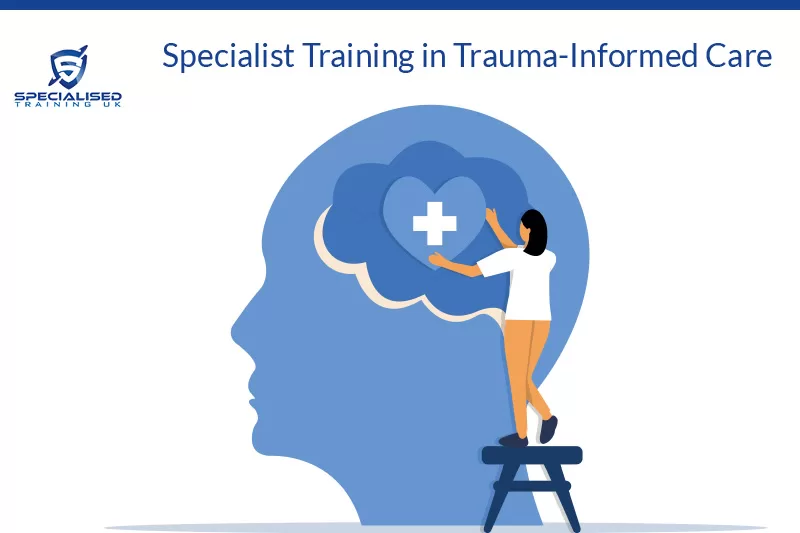
Last month, we wrote about the Specialised Training team working alongside care support staff to deepen understanding around trauma, specifically how past traumatic experiences can shape a person’s brain, behaviour, and ability to engage with the world around them. Let us expand on this vital piece of training.
One common misconception is that trauma-informed care means lowering expectations or being overly lenient — but it’s about setting clearer boundaries, creating safety, and approaching behaviour with context rather than judgement. Our training helps staff unpick long-held assumptions and provides practical, evidence-based strategies that promote consistency and respect without compromising care standards.
It’s rewarding work, and a powerful reminder that when care teams truly understand the impact of trauma, they’re better equipped to support individuals with empathy, patience and compassion.
Trauma-Informed Care (TIC) Training
By recognising the signs of trauma and understanding the science behind it, care staff can respond to challenging behaviour with greater awareness and sensitivity. Our aim is to create safer, more supportive environments for both service users and staff.
Our courses cover:
- The principles of trauma-informed care and why they matter.
- How trauma affects individuals and entire communities.
- Strategies to build trauma-sensitive settings.
- Communication techniques that foster trust, safety, and empowerment.
- Self-care tools to help prevent burnout — a vital part of sustainable care.
Why book Trauma-informed Practice Training?
Trauma-informed practice changes the way we work and the way we care. When teams feel more confident and supported in their approach, job satisfaction and resilience naturally grow. By equipping teams with the knowledge to understand the roots of challenging behaviours, it reduces the emotional strain that can lead to frustration and burnout. In 2024, 63% of UK employees reported symptoms of burnout, such as exhaustion and disengagement, a significant increase from 51% two years prior. Within the NHS, over 460,000 staff members are experiencing the impacts of burnout daily. Implementing trauma-informed practices can help alleviate these pressures, fostering a more supportive work environment.
We’ve delivered this training across a wide range of care, healthcare and education settings — and the feedback speaks for itself.
“Tony is a great trainer; he makes the training very interesting with his examples from previous experiences and wisdom. I have a very short attention span, and I didn’t lose track once or found myself losing focus during the session. Best trainer ever.” Almina Kurt
Book with Specialised Training UK
Contact us to arrange a Trauma-informed Care course suited to you and your staff:
01372 231 011 or 07787 504 622
Or email: info@specialisedtraininguk.com
Or use the contact form on this website.
Comments
Comments are closed.